
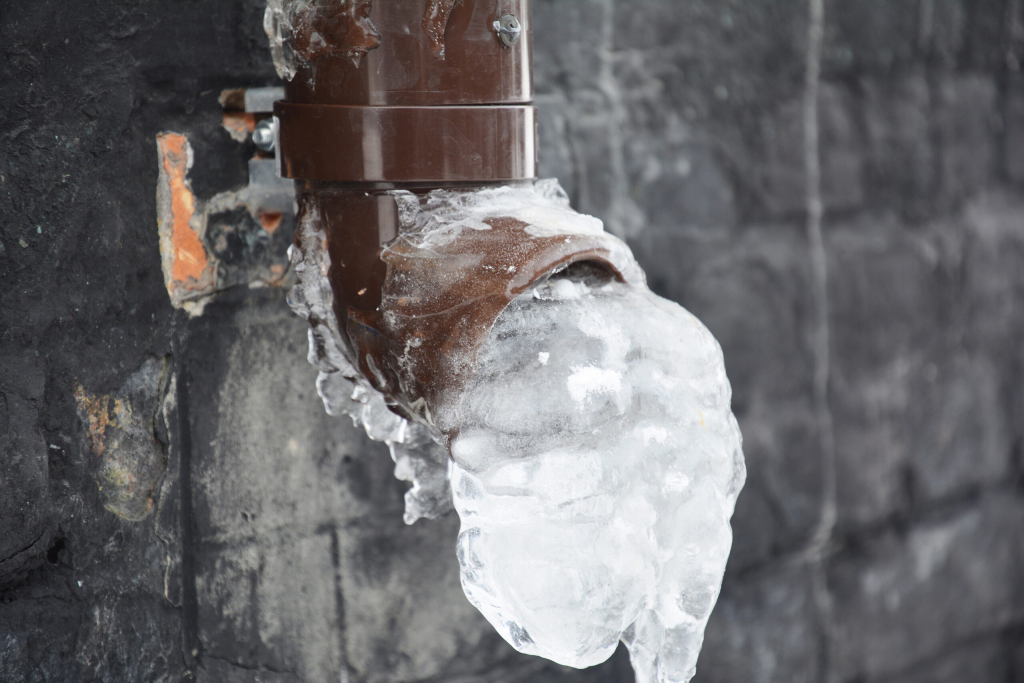
How to Prevent Frozen Pipes During Winter
Frozen pipes create an ordinary problem during cold weather which causes severe damage when people fail to manage the situation correctly. The water…
Frozen pipes create an ordinary problem during cold weather which causes severe damage when people fail to manage the situation correctly. The water inside a pipe freezes and expands, which creates increasing pressure in the pipe until it breaks or explodes.
The prevention of pipe freezing serves as a vital measure to protect against water leaks and property destruction and plumbing system interruptions. The implementation of fundamental wintertime safety measures helps to decrease safety hazards to a substantial extent.
Why Pipes Freeze
Pipes will freeze at higher rates when they face low temperature conditions which occur in locations that lack sufficient insulation and protection. The water inside the pipe starts to freeze when the temperature drops to freezing point. This is commonly seen in:
- External pipelines
- Pipes in unheated spaces
- Areas with poor insulation
- Locations exposed to cold air drafts
Even a small section of frozen pipe can block water flow and increase internal pressure.
Common Risks of Frozen Pipes
Frozen pipes create multiple problems which require immediate solutions. The pipe damage happens when ice builds up inside the pipe which leads to a break.
Some common risks include:
- Cracked or burst pipes
- Water leakage after thawing
- Damage to walls or ceilings
- Disruption of water supply
The actual damage becomes visible when ice melts and water begins to leak from the pipes.
Practical Ways to Prevent Frozen Pipes
Insulate Exposed Pipes
The most effective method to prevent freezing of pipes requires insulation of all pipes which pass through unheated spaces that include basements and attics and exterior walls of buildings.
The system protects water pipes from cold temperatures because it prevents cold air from reaching them.
Seal Gaps and Openings
Small gaps between walls and windows and pipe entry points create pathways which allow cold air to enter buildings. Sealing these openings helps prevent cold drafts from reaching the pipes.
This requirement becomes critical when pipes move through walls and floors of buildings.
Keep a Minimum Water Flow
People should let water run through their taps because this practice protects their pipes from freezing during cold weather. The movement of water decreases its chances of freezing when compared to stationary water.
Frozen pipes receive protection through this method which people use during extreme cold weather conditions.
Maintain Indoor Temperature
The practice of maintaining consistent temperatures inside buildings protects pipes which run through walls and underneath floors. The building requires minimum temperature maintenance because it helps prevent freezing when the building remains unoccupied.
The risk of pipe damage increases when temperatures experience sudden drops.
Open Cabinet Doors
Pipes usually run through cabinets in both kitchens and bathrooms. Warm air can reach the pipes when cabinet doors remain open.
This method provides effective protection against freezing temperatures which occur during nighttime hours.
Disconnect External Hoses
Taps which have outdoor hoses attached create a situation where water will remain trapped within the hose. The water inside the pipe will freeze during cold weather which will lead to problems in the plumbing system.
Hoses need to be disconnected and all water inside them needs to be drained because this process will stop the problem from occurring.
Areas Most at Risk
Certain locations are more prone to pipe freezing due to exposure and lack of insulation.
Common high-risk areas include:
- External walls
- Unheated basements
- Attics and roof spaces
- Outdoor pipelines
- Garage plumbing lines
These areas should be checked as well as protected before the onset of winter.
What to Do If a Pipe Freezes
If a pipe is suspected to be frozen, it should be handled carefully to avoid further damage.
Some basic steps include:
- Turn off the water supply
- Open the tap connected to the pipe
- Apply gentle heat using a safe heat source
- You should not use open flames or high temperatures.
The process of thawing should occur in steps because it decreases pressure and protects the pipes from bursting.
When to Seek Professional Help
People should contact professionals when they cannot find the frozen pipe section and they observe pipe damage.
An expert should be called if:
- The pipe has already burst
- Water leakage is visible
- The freezing issue keeps repeating
- The system is difficult to access
Preventive Maintenance
An annual checkup and preparation before winter can prevent most freezing concerns completely.
Some basic maintenance steps include:
- Checking insulation around pipes
- Repairing minor leaks
- Ensuring proper sealing of openings
- Monitoring temperature in vulnerable areas
Summary
Frozen pipes create major plumbing problems which result in burst pipes and water leakage and property damage. The risk increases when pipes are exposed to low temperatures especially in unprotected or poorly insulated areas.
The chances of freezing can be reduced through preventive measures which include insulating pipes and sealing gaps and maintaining indoor temperature and allowing slight water flow. The plumbing system requires identification of high-risk areas and implementation of protective measures before the onset of winter conditions.
Through Tradefox, learners can understand how environmental conditions affect plumbing systems. Preventing frozen pipes is an important step in maintaining system efficiency during winter.