
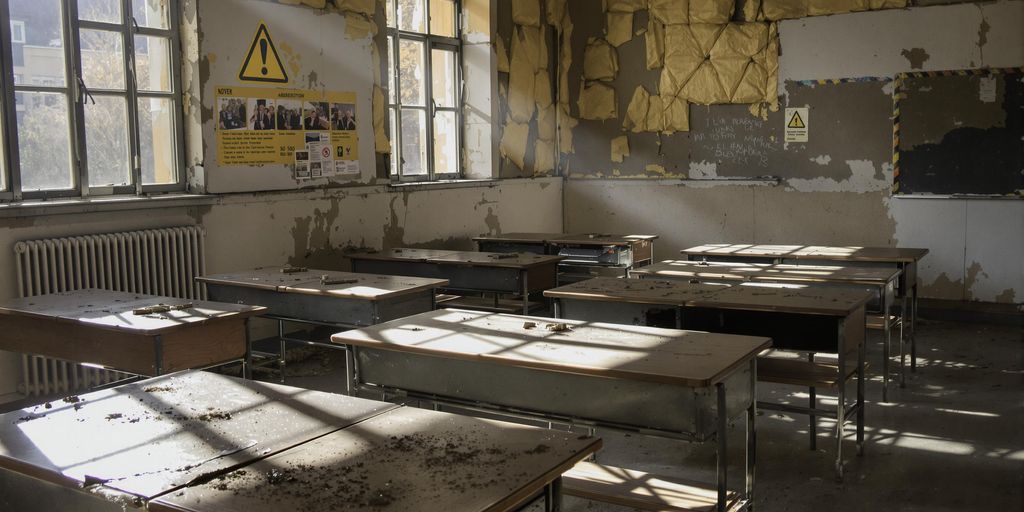
Historical Use of Asbestos in School Construction
Prevalence of Asbestos in Schools Built Before 1980 Before the 1980s, asbestos was a common material in school construction due to its affordability and…
Prevalence of Asbestos in Schools Built Before 1980
Before the 1980s, asbestos was a common material in school construction due to its affordability and durability. It’s estimated that a significant number of schools built during this period contained asbestos in various forms. According to reports, about half of all U.S. schools were constructed between 1950 and 1969—a time when asbestos was widely used in building materials to enhance fire resistance and longevity. This widespread use has left a lasting legacy, with many schools still grappling with asbestos-related challenges today.
Common Asbestos-Containing Materials in Schools
Asbestos was incorporated into numerous building components in schools, including:
- Ceiling tiles, which were often used for soundproofing and insulation.
- Vinyl flooring, including its backing and adhesive.
- Wallboards and plaster, commonly used for interior finishes.
- Ductwork insulation for heating and cooling systems.
These materials were chosen for their fireproofing and insulating properties, but they now pose significant health risks if disturbed.
Reasons for Asbestos Use in Educational Buildings
The extensive use of asbestos in schools wasn’t arbitrary. Builders were drawn to its unique characteristics, such as:
- High resistance to heat and fire, making it ideal for safety in crowded spaces.
- Affordability, which kept construction costs low for public projects.
- Durability, ensuring that building materials would last for decades without frequent replacement.
Unfortunately, the long-term risks of asbestos exposure were not fully understood at the time, leading to its pervasive use in educational settings.
Health Risks Associated with Asbestos Exposure in Schools
Impact on Students and Teachers
When asbestos-containing materials in schools are damaged or deteriorate, they release tiny fibers into the air. These fibers can be inhaled by anyone in the building, including students, teachers, and staff. Research has shown that children are particularly vulnerable to asbestos exposure because their bodies are still developing. In fact, a study from the U.K. found that a 5-year-old’s lifetime risk of developing mesothelioma is five times higher than that of an adult exposed at age 30. Teachers, too, face significant risks, with data showing they are more than twice as likely as the general population to develop asbestos-related illnesses.
Long-Term Health Consequences
The health effects of asbestos exposure often take decades to appear, making it a silent and long-term threat. Inhaling asbestos fibers can lead to serious diseases such as asbestosis, lung cancer, and mesothelioma. Mesothelioma, a rare but aggressive cancer, is almost exclusively caused by asbestos exposure. These conditions are not only life-threatening but also irreversible, leaving victims with limited treatment options.
Case Studies of Asbestos-Related Illnesses
Real-world examples highlight the devastating impact of asbestos exposure in schools. For instance:
- In the 1980s, an EPA study predicted that 1,000 premature deaths would occur due to asbestos exposure in schools, with 90% of these victims exposed as children.
- A teacher in a school with known asbestos issues developed mesothelioma years after retirement, underscoring the long latency period of the disease.
- Parents and communities have reported incidents where asbestos discoveries led to school closures, costly remediation, and ongoing health concerns for those exposed.
These cases serve as stark reminders of the importance of addressing asbestos risks proactively.
Regulatory Framework for Managing Asbestos in Schools
Overview of the Asbestos Hazard Emergency Response Act (AHERA)
The Asbestos Hazard Emergency Response Act (AHERA), passed in 1986, is the cornerstone of federal asbestos regulations for schools. It mandates that all public and private schools regularly inspect their buildings for asbestos-containing materials. If asbestos is found, schools are required to develop and implement a management plan to address the risk. These plans must be accessible to parents and the public upon request.
Under AHERA, inspections are required every three years. Schools can choose from several management options, such as:
- Repairing damaged asbestos materials.
- Enclosing or encapsulating asbestos to prevent fiber release.
- Monitoring and maintaining the condition of asbestos-containing materials.
Role of the Environmental Protection Agency (EPA)
The EPA plays a critical role in enforcing AHERA regulations. However, enforcement varies significantly across states. While the EPA directly oversees compliance in some areas, other states have received waivers to manage their own asbestos programs. These states must demonstrate that their regulations are at least as stringent as federal standards.
Despite its oversight responsibilities, the EPA has faced criticism for inadequate inspections. For instance, between 2011 and 2015, the EPA conducted inspections in only 13% of the schools under its jurisdiction. This gap in enforcement highlights the need for stronger federal oversight.
State-Level Regulations and Compliance
In addition to federal laws, states may implement their own asbestos management regulations. These often align with AHERA but can include additional requirements. For example, some states mandate more frequent inspections or stricter reporting standards.
Compliance remains a challenge at both federal and state levels. Limited funding and resources often hinder the ability to conduct thorough inspections and enforce regulations effectively. Schools in underserved areas are particularly vulnerable, as they may lack the financial means to address asbestos risks adequately.
Advocating for comprehensive asbestos management plans in schools is essential to protect children and staff. This includes regular inspections and effective strategies for containment or removal of asbestos.
Challenges in Identifying and Removing Asbestos
Financial and Logistical Barriers
Dealing with asbestos in schools is a costly and time-consuming process. Budget constraints often force school districts to delay or avoid necessary inspections and remediation. The expenses associated with hiring licensed professionals for asbestos abatement, combined with the disruption to school operations, make removal a daunting task. Schools sometimes opt for temporary fixes, like encapsulation or enclosure, rather than full removal.
Lack of Comprehensive Inspections
Many schools, especially older ones, have not undergone thorough inspections to identify asbestos-containing materials. Without proper evaluations, hazardous materials may go unnoticed until renovations or emergencies bring them to light. This lack of proactive assessment increases the risk of exposure for students and staff.
Community Concerns and Mistrust
Parents, teachers, and local communities often express mistrust when asbestos issues arise. Concerns about transparency and safety measures can lead to heated debates. Additionally, the stigma surrounding asbestos can deter schools from openly addressing the issue. This mistrust is amplified when schools fail to communicate their plans effectively, whether it’s managing asbestos in place or removing it entirely.
In some cases, schools have converted affected areas into temporary rehab facilities to mitigate risks while addressing asbestos problems. However, such measures are not always well-received, as they can be seen as insufficient or poorly planned.
Examples of Asbestos Incidents in U.S. Schools
Notable Cases of Asbestos Exposure
Over the years, several schools across the United States have faced serious asbestos-related incidents. These cases highlight the ongoing risks that asbestos poses to students, teachers, and staff. For example:
- In 2015, a high school in Akron, Ohio, drew public attention when a photo surfaced showing an asbestos-abatement worker in full protective gear near a classroom. Parents expressed frustration, saying they were left in the dark about what was happening inside the school.
- A preschool in Arlington, Virginia, was abruptly shut down the same year after volunteers unknowingly disturbed asbestos-containing flooring. This incident left over 100 children without a daycare facility and raised financial concerns for the church running the school.
- Back in 2010, students at Washington Elementary School in Berkeley, California, might have been exposed to asbestos for months before the issue was discovered.
These examples illustrate the unpredictable nature of asbestos hazards in educational settings and the urgent need for proactive measures.
Impact on School Operations and Budgets
Asbestos incidents often disrupt school activities and strain financial resources. When the Ocean View School District in California discovered asbestos in multiple classrooms in 2014, it had to close three campuses temporarily. The district spent heavily on busing students to other schools and addressing construction delays. Alarmed parents also withdrew over 150 students, further impacting the district’s already tight budget.
In another case, the Idaho Falls School District faced legal challenges in 2015 when a whistleblower alleged unsafe asbestos removal practices. The lawsuit underscored the financial and reputational risks schools face when asbestos issues are mishandled.
Public Reactions to Asbestos Discoveries
Discoveries of asbestos in schools often provoke strong reactions from communities. Parents, teachers, and local residents frequently express anger and mistrust when they feel information is withheld. For instance, the Akron, Ohio, incident sparked widespread concern when parents learned about the asbestos situation through social media rather than official communication. Similarly, the Arlington preschool case led to chaos as families scrambled to find alternative childcare options.
These incidents emphasize the importance of transparency and timely communication in addressing asbestos risks. Without it, schools risk losing the trust of the communities they serve.
Preventative Measures and Best Practices
Regular Inspections and Maintenance
Maintaining a safe environment in schools begins with routine inspections. Schools should inspect their facilities for asbestos-containing materials regularly. This not only identifies potential hazards but also allows for early intervention. Periodic reinspections are vital to monitor the condition of both friable and non-friable asbestos materials. When asbestos is found in good condition, it’s often best to leave it undisturbed and implement a maintenance plan to prevent deterioration.
Safe Asbestos Removal Procedures
When asbestos removal becomes necessary, it must be handled by accredited professionals. These experts use methods like encapsulation, where a sealant is applied to asbestos materials to prevent fiber release, or enclosure, which involves building barriers around the material. Complete removal, while more costly, is the only permanent solution. Schools should ensure that any removal process complies with strict safety protocols to protect students, staff, and the surrounding community. Protective measures, such as wearing proper gear, are essential during these procedures to avoid exposure.
Training for School Staff and Contractors
Educating school personnel and contractors about asbestos risks and safe handling procedures is another critical step. Training programs should cover how to identify asbestos-containing materials, the health risks of exposure, and the proper steps to take in case of damage or disturbance. This knowledge empowers staff to act swiftly and responsibly, ensuring the safety of everyone on campus. Additionally, fostering awareness about asbestos risks can help prevent mishandling during renovations or repairs.
By following these practices, schools can significantly reduce the risks associated with asbestos exposure, creating a safer learning environment for students and staff alike. While the challenges may seem daunting, prioritizing these measures is as essential as addressing other safety concerns, such as addiction rehab programs for vulnerable populations.
Current Status of Asbestos in Schools and Public Buildings
Extent of Asbestos Presence Today
Many schools and public buildings across the United States still contain asbestos, particularly those constructed before the 1980s. The U.S. Environmental Protection Agency (EPA) has estimated that most primary, secondary, and charter schools have some level of asbestos-containing materials. This includes items like ceiling tiles, floor tiles, and insulation. Despite decades of regulations, the full scope of asbestos presence remains uncertain, largely due to inconsistent inspections and reporting.
Recent Studies and Reports
A 2015 report commissioned by Senator Ed Markey revealed that over two-thirds of surveyed school districts in 15 states had buildings with asbestos. Another EPA review found that between 2011 and 2015, only 13% of required inspections were conducted under the Asbestos Hazard Emergency Response Act (AHERA). This highlights a significant gap in oversight and enforcement, leaving many communities vulnerable to exposure.
Ongoing Risks and Oversight Issues
The risks posed by asbestos are not just historical; they persist today. Students, teachers, and staff are at risk of exposure, especially in older buildings where asbestos-containing materials may deteriorate over time. Financial constraints often delay proper treatment or removal, and the lack of comprehensive federal oversight compounds the issue. Community concerns, fueled by mistrust and limited transparency, further complicate efforts to address asbestos hazards effectively.
In addressing these challenges, organizations like Serenity at Summit advocate for increased awareness and proactive measures to protect public health.
Legal and Financial Implications of Asbestos in Schools
Lawsuits and Settlements
Legal battles over asbestos exposure in schools have become a major issue for districts across the country. Parents, teachers, and even contractors have filed lawsuits, alleging negligence in managing asbestos hazards. These cases often result in hefty settlements, further straining school budgets. For example, whistleblower lawsuits have highlighted instances where employees faced retaliation for raising concerns about asbestos safety. Such legal actions not only bring financial consequences but also damage the reputation of school districts.
Insurance Coverage for Asbestos-Related Issues
Insurance policies for schools often include provisions for asbestos-related claims, but coverage can be limited. Many policies exclude asbestos remediation costs, leaving districts to shoulder the financial burden. Schools have to carefully review their insurance plans to ensure they have adequate protection. Without proper coverage, the expenses for inspections, removal, and legal fees can quickly spiral out of control.
Economic Impact on School Districts
The financial toll of managing asbestos is immense. From conducting inspections to undertaking large-scale removal projects, the costs can run into millions. Cash-strapped districts often face tough choices, such as diverting funds from educational programs or delaying critical building repairs. In some cases, schools have turned to rehab initiatives to address asbestos hazards incrementally. However, these measures are often seen as stopgaps rather than permanent solutions. The long-term economic impact remains a pressing concern for communities and policymakers alike.
Raising Awareness and Advocacy
Role of Advocacy Groups and Nonprofits
Advocacy groups and nonprofits play a critical role in addressing asbestos-related issues in schools. Organizations like the Asbestos Disease Awareness Organization (ADAO) provide a platform for victims and concerned citizens to unite, offering resources and support. These groups often engage in legislative efforts, pushing for stricter regulations and improved safety measures. Additionally, they organize events, such as awareness campaigns and conferences, to educate the public about the dangers of asbestos exposure.
Educational Campaigns for Parents and Teachers
Informing parents and teachers about asbestos risks is essential for creating safer school environments. Educational campaigns often focus on:
- Explaining the health risks associated with asbestos exposure.
- Highlighting the importance of regular inspections and proper maintenance.
- Providing guidance on how to advocate for safer conditions in schools.
These initiatives aim to empower communities with the knowledge needed to demand accountability from school administrators and policymakers.
Government Initiatives to Address Asbestos Risks
Government programs are vital in raising awareness and ensuring compliance with asbestos regulations. Federal and state agencies often collaborate on:
- Developing guidelines for asbestos management in schools.
- Funding programs for asbestos removal and remediation.
- Monitoring compliance with existing laws, such as the Asbestos Hazard Emergency Response Act (AHERA).
By addressing these issues, government initiatives aim to reduce the risks associated with asbestos exposure and protect public health.
Future Directions for Asbestos Management in Schools
Innovative Technologies for Asbestos Detection
Advancements in technology are paving the way for more efficient identification of asbestos in school buildings. For instance, portable detection devices and AI-driven systems can help assess asbestos presence without invasive procedures. These tools could revolutionize how schools approach inspections by making them faster, safer, and more precise. Schools are required to conduct asbestos assessments every three years to identify maintenance needs and effectively manage risks associated with asbestos, but newer technologies might reduce the burden of these periodic checks.
Policy Recommendations for Improved Safety
Policymakers need to take a fresh look at existing asbestos regulations. Strengthening laws like AHERA and increasing funding for inspections can ensure better compliance. Recommendations include:
- Mandating annual inspections instead of the current three-year cycle.
- Allocating dedicated federal funds for asbestos abatement and risk management.
- Creating incentives for schools to adopt safer materials during renovations.
Long-Term Goals for Asbestos-Free Schools
Achieving asbestos-free schools nationwide will require a coordinated effort. Long-term strategies might involve:
- Phasing out older buildings with high asbestos risks.
- Training maintenance staff to handle asbestos safely.
- Partnering with organizations like Evoke Wellness to raise awareness and provide resources for safe asbestos removal.
While the path forward involves challenges, proactive measures today can lead to safer learning environments for future generations.