

What You Need to Know About Pond Filtration?
Imagine a calm pond in your backyard where fish swim freely, water stays clear, and plants grow in a natural way. This kind of peaceful space is possible…
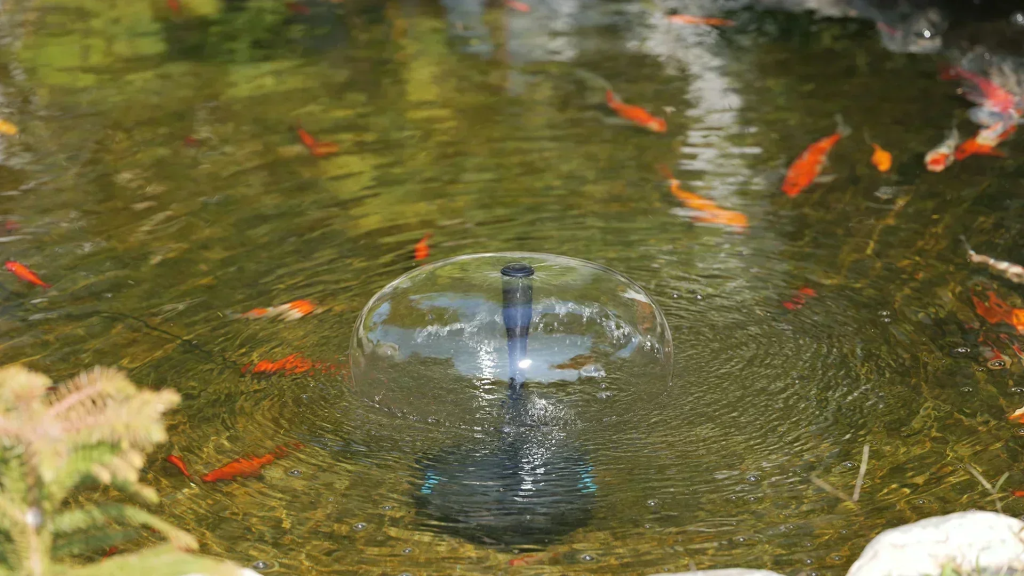
Imagine a calm pond in your backyard where fish swim freely, water stays clear, and plants grow in a natural way. This kind of peaceful space is possible when you have the right pond filtration system in place. Pond filtration is what keeps the water clean, safe, and balanced for fish, plants, and other living things in the pond. Without it, waste like fish poop, leftover food, and falling leaves can quickly build up. This leads to dirty water, bad smells, and unhealthy conditions. With a proper system, your pond stays clear, fresh, and easier to manage throughout the year.
Why Pond Filtration Is Important
Pond filtration is the main support system that keeps pond water in good condition. It works like the “cleaning system” of the pond. Every pond collects waste over time. Fish release waste, plants drop leaves, and uneaten food sinks to the bottom. When these break down, they make the water dirty and unsafe.
Without filtration, harmful substances build up quickly. This can cause green water, bad smells, and stress for fish. In some cases, fish can even get sick or die. A good filtration system helps remove waste and keeps oxygen levels balanced. It also helps maintain clear water, so the pond looks nice and natural.
Another important part is stability. A well-filtered pond does not change too much when new waste enters. This makes it easier to maintain and reduces daily cleaning work.
Types of Pond Filtration
There are three main types of pond filtration. Each one has a specific job. When they work together, the pond stays clean and healthy.
Mechanical Filtration
Mechanical filtration removes visible dirt from the water. This includes leaves, twigs, fish waste, and other floating or sinking debris. It is usually the first step in cleaning pond water.
A pond skimmer is often used for this job. It pulls water from the surface and catches floating debris before it sinks. This is important because once waste sinks, it becomes harder to remove and can pollute the water.
Mechanical filtration helps keep the pond looking clean. It also protects other filters by stopping large waste from clogging the system. This makes the whole pond system work better and last longer.
Biological Filtration
Biological filtration is one of the most important parts of pond care. It uses good bacteria that naturally grow inside the filter. These bacteria help break down harmful waste in the water.
Fish waste and leftover food create a harmful substance called ammonia. In high amounts, ammonia can be dangerous to fish. The bacteria in biological filters change ammonia into safer substances. This process makes the water safer and more stable.
This type of filtration takes time to build up because bacteria need to grow. Once it is fully working, it helps keep the pond balanced with less effort from you.
Water Clarifiers (UV System)
Water clarifiers use ultraviolet (UV) light to clean very small particles in the water. These particles are often too small for other filters to catch, like tiny algae and bacteria.
When water passes through the UV system, the light destroys these microorganisms. This helps reduce green water and improves clarity.
While not every pond needs a UV system, it is helpful when algae becomes a repeated problem. It is often used as extra support along with mechanical and biological filtration.
How Pond Skimmers Help Clean Water
A pond skimmer is a key part of mechanical filtration. It sits at the edge of the pond and pulls in surface water. As water enters, floating debris like leaves and insects are trapped inside a basket.
This stops waste from sinking and breaking down in the water. Inside the skimmer, there are also filter parts that catch smaller particles.
The skimmer also hides and protects the pond pump. This keeps the pump safe from clogging and helps the system run smoothly.
By removing waste early, the skimmer reduces pressure on other filters and helps keep the pond cleaner for longer.
The Role of Aquatic Plants
Aquatic plants are a natural and important part of pond filtration. They help clean the water in a simple but powerful way.
Plants take in extra nutrients from the water. These nutrients usually come from fish waste and decomposing leaves. If too many nutrients stay in the water, algae can grow quickly. Plants help reduce this problem by using those nutrients for their own growth.
Plants also help shade the water, which keeps it cooler and reduces algae growth. They give fish places to hide and feel safe, making the pond more natural and balanced.
When plants are combined with a good filtration system, the pond becomes healthier and more stable with less effort.
Keeping a Low-Maintenance Pond
A low-maintenance pond is one that stays clean without constant hard work. This is possible when all parts of the pond system work together properly.
Good water flow is very important. When water moves continuously, it carries oxygen and helps filters do their job. Fish also stay healthier in oxygen-rich water.
Adding plants, rocks, and gravel also helps create a natural balance. These elements support helpful bacteria and improve water quality.
Simple care steps can make a big difference:
- Clean the skimmer regularly to remove trapped debris
- Avoid giving fish too much food
- Make sure water is always flowing through the system
- Add enough plants to help control nutrients
With these habits, your pond stays cleaner and easier to manage.
Simple Tips for a Clear and Healthy Pond
Keeping a pond clear does not need to be complicated. The key is balance. When filtration, plants, fish, and water movement all work together, the pond stays in good condition.
Small regular care is better than heavy cleaning later. Checking your system often helps prevent problems before they grow.
A well-balanced pond will have clear water, active fish, and healthy plants. It becomes a relaxing space that you can enjoy every day.
Conclusion
Pond filtration is the foundation of a healthy backyard pond. It removes waste, controls algae, and helps keep water balanced. When mechanical, biological, and natural plant systems work together, the pond becomes easy to maintain.
With the right setup and simple care, you can enjoy a clean, clear, and peaceful pond that stays healthy for many years.