
Why Commercial Mould Removal Is Essential, checkout the reason
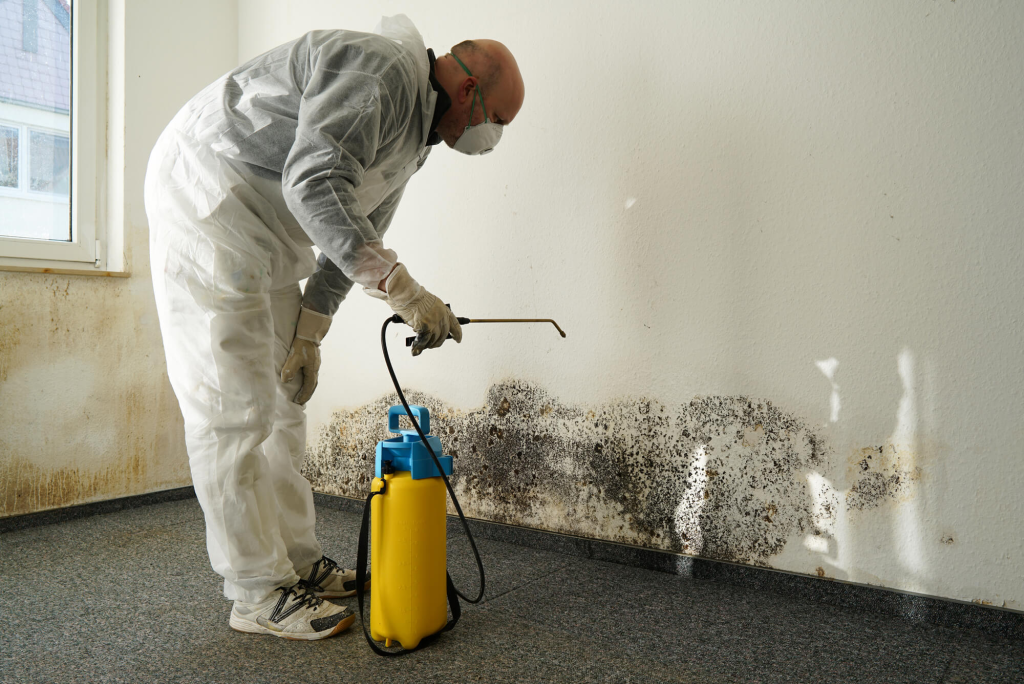
Mould exists as a residential issue which also serves as a significant problem for commercial buildings. Business environments, which include offices and warehouses and retail stores, face mould growth threats during humid weather conditions. The presence of mould in commercial buildings results in two critical problems because it creates health dangers and causes permanent building damage and suspends business operations.
The process of commercial mould removal works as a necessary step for organizations to create secure and professional workspaces. The process of mould removal in extensive areas needs mould removal specialists because they provide specialized knowledge which produces effective permanent results.
What Is Commercial Mould Removal?
Commercial mould removal describes the procedure which identifies and eliminates mould from business and industrial locations. The mould problem in commercial properties differs from residential mould problems because commercial sites cover larger spaces and contain advanced systems which include HVAC equipment and storage areas and busy zones.
This process is more detailed and requires proper planning, specialized tools, and professional techniques. A mould removal specialist ensures that mould is not only removed from visible surfaces but also from hidden areas where it may continue to grow.
Why Mould Is a Serious Problem in Commercial Spaces
Mould in commercial environments can create multiple problems if not addressed quickly:
1. Health Risks for Employees and Customers
Exposure to mould can cause allergies, respiratory issues, headaches, and skin irritation. This can affect employee productivity and customer experience.
2. Damage to Property and Equipment
Mould can weaken walls, ceilings, furniture, and even damage important equipment or inventory.
3. Negative Business Image
Visible mould or unpleasant odors can create a poor impression on clients and visitors, affecting your brand reputation.
4. Legal and Compliance Issues
In some industries, maintaining a safe and hygienic environment is mandatory. Ignoring mould can lead to compliance problems.
Common Causes of Mould in Commercial Buildings
Understanding the cause of mould helps in preventing it effectively. Some common reasons include:
- High humidity levels
- Poor ventilation systems
- Water leaks or plumbing issues
- Condensation from air conditioning systems
- Flooding or water damage
A mould removal specialist not only removes mould but also identifies these underlying causes.
Signs That You Need Commercial Mould Removal
Mould is not always visible, but there are clear signs that indicate a problem:
- Persistent musty or damp smell
- Dark spots on walls, ceilings, or corners
- Peeling paint or wallpaper
- Water stains or damp patches
- Increased health complaints among employees
If you notice any of these signs, it’s time to consider commercial mould removal immediately.
What Does a Mould Removal Specialist Do?
A professional mould removal specialist follows a systematic approach to ensure effective results:
1. Inspection and Assessment
The specialist examines the entire property to determine the extent of mould growth.
2. Identifying Moisture Sources
Since mould thrives on moisture, finding and fixing the source is a key step.
3. Containment
Affected areas are isolated to prevent mould spores from spreading during the removal process.
4. Mould Removal
Using advanced equipment and solutions, mould is removed from all surfaces safely.
5. Air Filtration
Air filtration systems help remove airborne mould spores and improve indoor air quality.
6. Prevention
Preventive treatments are applied to reduce the chances of future mould growth.
Why You Should Hire a Mould Removal Specialist
Handling commercial mould issues without professional help can be risky and ineffective. Here’s why hiring a mould removal specialist is important:
1. Expertise and Experience
Professionals understand different types of mould and how to treat them effectively.
2. Advanced Equipment
They use specialized tools that are not available in standard cleaning methods.
3. Time Efficiency
Quick and efficient service reduces downtime for your business.
4. Long-Term Results
Instead of temporary fixes, professionals provide solutions that last.
Challenges in Commercial Mould Removal
Commercial mould removal is more complex than residential treatment due to:
- Larger areas to cover
- Continuous business operations
- Sensitive equipment or materials
- Higher safety requirements
A trained mould removal specialist is equipped to handle these challenges without disrupting your business activities.
Tips to Prevent Mould in Commercial Spaces
Preventing mould is always better than dealing with it later. Here are some simple yet effective tips:
- Maintain proper ventilation
- Regularly inspect plumbing systems
- Control indoor humidity levels
- Clean and maintain HVAC systems
- Address water damage immediately
Regular maintenance can significantly reduce the need for frequent commercial mould removal.
Common Mistakes Businesses Make
Many businesses unknowingly make mistakes that worsen mould problems:
1. Delaying Action
Ignoring small mould issues can lead to bigger problems.
2. Using Temporary Fixes
Quick cleaning solutions may not address the root cause.
3. Not Conducting Regular Inspections
Routine checks can help detect mould early.
4. Choosing Untrained Services
Hiring inexperienced providers can result in incomplete removal.
Final Thoughts
Mould in commercial spaces requires serious attention because it presents dangerous health risks and property destruction and business interruption. The investment into commercial mould removal services will create secure and hygienic spaces for your business operations.
A qualified mould removal specialist will solve the mould problem because they use professional methods to achieve permanent results which protect your property. Your commercial space will remain free of mould and hygienic when you implement correct procedures and perform scheduled maintenance activities.